
Beacon Machine Manufacturing Co.,ltd
 Language
  EN
EN RU
RU ES
ES DE
DE EL
EL IT
IT JA
JA KO
KO PT
PT ID
ID SR
SR UK
UK VI
VI TH
TH TR
TR MS
MS BE
BE AR
ARWhy Diesel Injector Coding is Essential: Performance, Emissions, and the Role of CR1017

The Hidden Science Behind Injector Coding
In the world of modern diesel repair, replacing an injector is no longer a simple "plug and play" operation. Whether you are dealing with a Bosch, Denso, Delphi, or Siemens system, Injector Coding (also known as IQA, IMA, or QR coding) is a mandatory step. But why is it so critical?
1. Correcting Manufacturing Tolerances
Despite advanced manufacturing technologies, it is physically impossible to mass-produce fuel injectors that are exactly identical. Two brand-new injectors from the same assembly line will have slight variations in flow rates and opening times (Response Time). While these differences are microscopic, in a Common Rail system operating at 2000+ bar pressure, they are significant.
The Code acts as a "DNA profile" for the injector. It tells the Engine Control Unit (ECU) exactly how much fuel that specific injector delivers so the ECU can adjust the injection duration (Pulse Width) to compensate.
2. Consequences of Ignoring Coding
If you install an injector without entering the new code into the ECU, the computer will use the calibration data from the previous injector. This mismatch can lead to severe issues:
- Engine Knocking & Noise: Incorrect pre-injection timing causes combustion rattling.
- Black Smoke & Emissions: Over-fueling leads to unburnt fuel and DPF clogging.
- Rough Idling: Unbalanced fuel delivery between cylinders causes vibration.
- Piston Damage: In extreme cases, lean mixtures can raise combustion temperatures, melting pistons.
3. How the CR1017 Test Bench Generates Codes
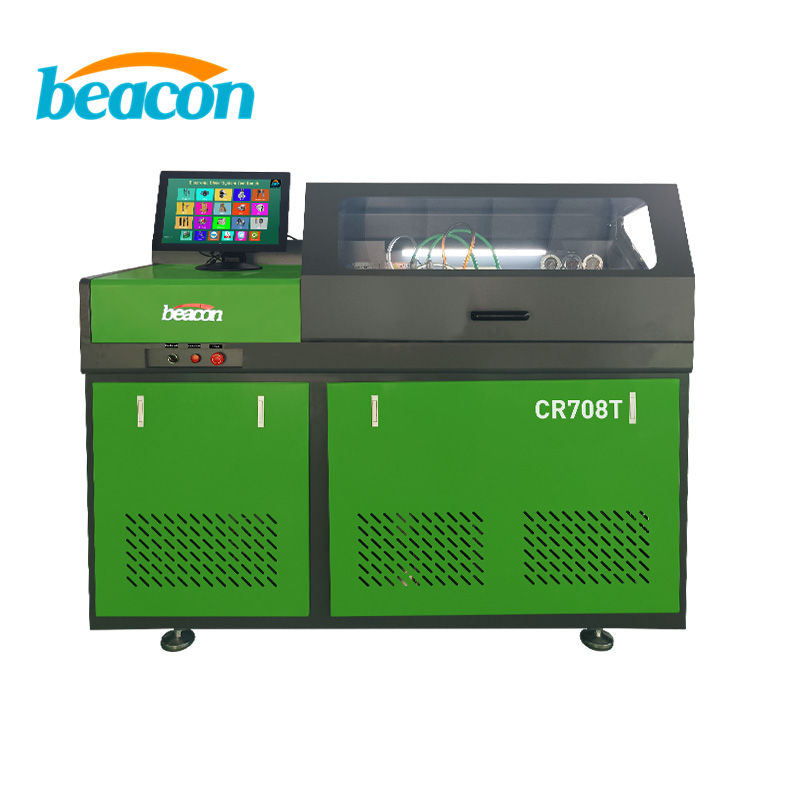
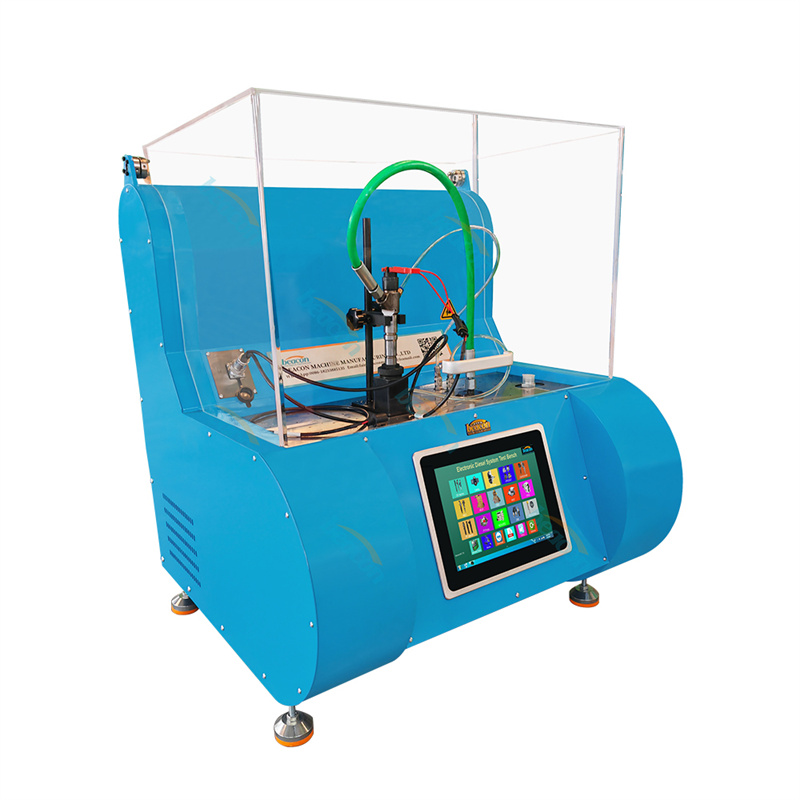
You cannot simply "invent" a code; it must be derived from rigorous testing. The CR1017 Test Bench simulates the engine's operating conditions to generate accurate codes:
- Step 1 (Testing): The CR1017 runs the injector through standard points: Leak Test, VL (Full Load), EM (Emissions), LL (Idle), and VE (Pre-injection).
- Step 2 (Calculation): It measures the flow quantity and the BIP (Begin of Injection Period) response time.
- Step 3 (Generation): The software compares the actual data against OEM targets and calculates a new hexadecimal string (e.g., a Bosch IMA code or Denso QR code).
By using the CR1017, you ensure that the refurbished injector performs exactly like a factory-new unit, restoring the vehicle's power and fuel economy.
Beacon Machine Manufacturing Co.,ltd
Quick Links
contact
WhatsApp: +86-13570429157
Tel / Wechat: 0086-13570429157
Email: ellenzhang@beacon-machine.com
Add: High Technology Industrial Park of Taian city,Shandong province,China


quick order
We will reply to your email within 2 hours