
Beacon Machine Manufacturing Co.,ltd
 Language
  EN
EN RU
RU ES
ES DE
DE EL
EL IT
IT JA
JA KO
KO PT
PT ID
ID SR
SR UK
UK VI
VI TH
TH TR
TR MS
MS BE
BE AR
ARDiesel Injector Failure: 8 Main Causes
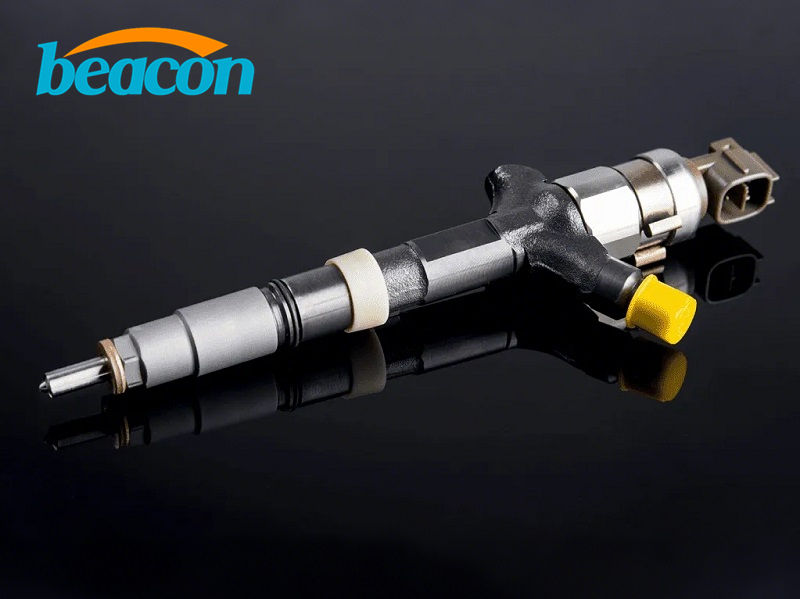
A reliable diesel fuel injector is vital for engine performance. The following are 8 main causes of diesel injector failures and how to diagnose or fix them. Each issue can affect engine efficiency, emissions, and durability.
-
Poor Fuel Atomization: If the injection pressure is too low or the injector nozzle holes are worn or clogged with carbon, the fuel spray is no longer fine. The injector may open too early and close too late, causing incomplete combustion. A single-cylinder engine may fail to run; in a multi-cylinder engine, expect reduced power, black smoke from the exhaust, and rough running. Large fuel droplets that do not burn can wash down the cylinder walls, contaminating the oil, increasing its viscosity and reducing lubrication, potentially causing bearing or cylinder damage. Solution: Disassemble and clean the injector, replace or repair any damaged components, and then rebuild and recalibrate it before reinstalling.
-
Damaged Return Pipe: The injector’s needle assembly can wear or fit loosely, increasing the fuel return flow to the tank. A damaged or missing fuel return line allows excessive fuel to leak back, wasting fuel and possibly flooding the fuel filter. Solution: Ensure the return pipe and fittings are intact and leak-free. If the return line runs to the fuel filter, install a one-way check valve at its end to prevent fuel from flowing backward into the injector.
-
Enlarged Nozzle Orifice: Continuous high-pressure flow can wear and enlarge the injector’s nozzle orifices. Larger orifices reduce injection pressure and shorten spray distance, worsening atomization and causing more carbon buildup in the cylinder. Solution: For a single-hole nozzle (around 1 mm or larger), place a 4–5 mm steel ball on the hole entrance and tap lightly to shrink the orifice by plastic deformation. For multi-hole injectors, use a hardened steel punch to carefully reshape each hole. If performance remains inadequate after modification, replace the injector’s needle and nozzle assembly.
-
Stuck Needle Valve: Water or acidic fuel contaminants can rust the needle valve, causing it to seize. If the valve seat is damaged or carbon fouls the valve, the injector will stop spraying fuel. Solution: Soak the needle assembly in waste engine oil and heat it gently until it smokes. Clamp the valve tail (using a soft cloth to protect it) and rock it back and forth to free it. Coat the needle with clean oil and repeatedly move it in the injector body to grind away deposits. Repeat until the needle drops out by its own weight when the injector is inverted. Reassemble and bench-test; if it still sticks, replace the needle assembly.
-
Worn Valve Seat: The injector’s valve seat faces endure heavy impact and can pit or wear over time. This increases the valve lift and disrupts injection timing, affecting spray performance. Solution: Mount the injector body on a lathe or grinder and carefully grind the seat flat. Then apply fine grinding paste on glass to polish the seat until it is smooth and even.
-
Leaks at Injector/Cylinder Head Joint: Fuel or combustion gases can leak at the joint if the injector is not sealed properly in the head. Before installing, clean all carbon deposits from the injector bore. Use a flat copper sealing washer of the correct thickness (do not substitute with asbestos or other materials) so that the injector protrudes the proper distance above the head. Also install the clamp saddle with its recess facing down and tighten both nuts evenly to the specified torque. Improper torque or the wrong gasket can tilt or deform the injector, causing leaks.
-
Guide Wear: The injector needle slides rapidly in its guide bore. Abrasive dirt in the fuel can wear the guide, enlarging the clearance or causing scratches. Increased internal leakage lowers injection pressure and delays fuel delivery, making the engine hard to start. Solution: If the injector’s spray timing is excessively delayed, replace the needle valve assembly to restore the proper fit and timing.
-
Injector Dripping: Continuous high-pressure impact on the valve seat can cause scoring. The seat loses its seal and the injector drips fuel. A cold engine will emit white smoke (vapor) from the exhaust, turning black with erratic backfires as it warms. Cutting fuel to that cylinder stops the smoke and popping. Solution: Disassemble the injector and apply fine chromium-oxide polishing paste to the needle seat, polishing the conical surface. Rinse with clean diesel and bench-test the injector. If it still drips, replace the needle assembly.
Preventive Maintenance Tips:
-
Injector Inspection: Check each injector’s opening pressure and sealing tightness. Observe the spray pattern – it should have the correct shape, number of jets, droplet fineness, and distribution. Ensure no fuel drips from the nozzle before the valve opens. A proper spray produces a crisp “hiss” sound with no fuel leaks.
-
Proper Assembly: Before installing an injector, verify the O-ring seal is intact and the mounting surfaces are clean. Use the correct copper washer and ensure the injector protrusion meets specifications. Install the clamp saddle correctly and tighten bolts evenly to the manufacturer’s torque. Never overtighten or let the injector tilt, as this causes leaks.
-
Operate Under Load: Whenever possible, run the diesel engine under high load (above 80% of rated load) for best combustion. High-load conditions help the fuel burn completely and avoid carbon buildup.
-
Use Clean, Proper Fuel: Always use the recommended diesel fuel with low sulfur content. Keep the fuel clean and dry – free of water and impurities – to prevent injector corrosion and clogging.
Related products
Beacon Machine Manufacturing Co.,ltd
Quick Links
contact
WhatsApp: +86-13570429157
Tel / Wechat: 0086-13570429157
Email: ellenzhang@beacon-machine.com
Add: High Technology Industrial Park of Taian city,Shandong province,China


quick order
We will reply to your email within 2 hours